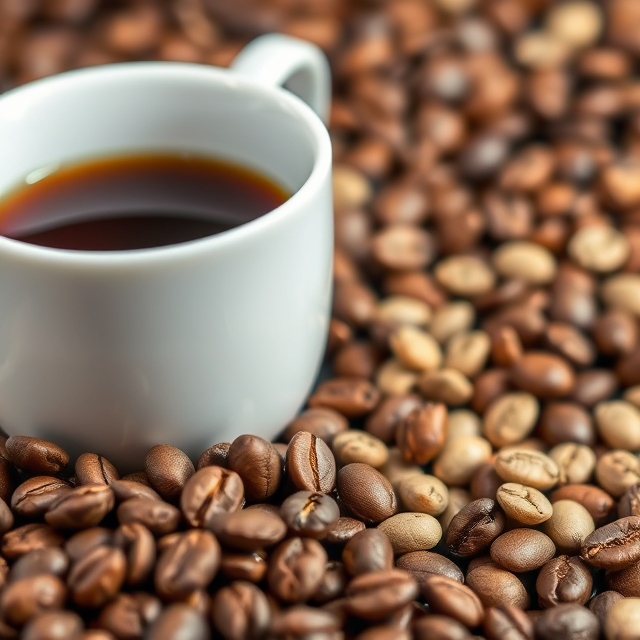
Coffee can taste surprisingly different when the beans are roasted only a short distance beyond their original green state. Very light coffee tastes different because roasting changes the bean’s chemistry, structure, aroma, and flavor development. Instead of the deep, caramelized, smoky character associated with darker coffee, an exceptionally light roast can preserve more of the bean’s original characteristics.
For coffee drinkers accustomed to medium or dark roasts, the first cup of very light coffee can therefore seem unusual. Its color, aroma, acidity, body, and overall flavor may all be noticeably different.
How Roast Level Changes Coffee Flavor
Roasting is a transformation process. Green coffee beans contain many compounds that develop into familiar coffee aromas and flavors as heat is applied.
With a very light roast, the beans spend less time developing those roasted characteristics. This means there is less time for the flavors associated with extensive caramelization and deeper roast development to dominate the cup.
As a result, very light coffee tastes different because the final flavor profile is influenced more strongly by the original characteristics of the beans and less by heavy roasting.
Depending on the coffee, drinkers may notice flavors that seem nutty, grain-like, herbal, fruity, or slightly sweet rather than strongly smoky or bitter.
Why Very Light Coffee Can Have Less Bitterness
Bitterness is often associated with more developed roasts, although bitterness can also come from brewing and extraction.
Very light coffee generally has fewer of the heavy roasted notes that people commonly associate with dark coffee. Instead, the cup can feel cleaner and more delicate.
This does not mean every very light coffee will taste mild. A lightly roasted coffee can have a distinctive intensity of its own, particularly when its natural acidity or unusual aromatic compounds are prominent.
For someone who dislikes the smoky character of dark coffee, a very light roast can offer an entirely different experience.
Aroma and Texture Can Also Change
Roast level affects more than flavor. It can change how coffee smells, looks, feels, and behaves during brewing.
Very lightly roasted beans are often much paler than conventional coffee beans. They can also remain considerably denser and harder because they have undergone less physical expansion during roasting.
The aroma may also seem less traditionally “coffee-like.” Instead of immediately producing a strong roasted smell, some very light coffees can have nutty, cereal-like, vegetal, or other distinctive aromas.
These differences explain why two coffees made from similar beans can still produce noticeably different cups when their roast development is substantially different.
Brewing Matters More With Very Light Coffee
One reason very light coffee tastes different from one brewing method to another is that extraction becomes especially important.
Lightly roasted beans can be more resistant to water penetration and extraction than darker roasted beans. Grind size, water temperature, brewing time, and coffee-to-water ratio can therefore have a significant effect on the finished drink.
If the coffee is under-extracted, it may taste sharp, thin, sour, or incomplete. Adjusting the grind, increasing contact time, or changing the water temperature can sometimes produce a more balanced result.
Espresso, drip coffee, pour-over, and French press can each highlight different characteristics. The right approach depends on the specific beans and how they have been roasted.
Why Some Very Light Coffee Has a Nutty Character
A very light roast can preserve flavor characteristics that become less noticeable when coffee is roasted more extensively.
Some beans naturally produce nutty or peanut-like impressions, while roast development can influence how those characteristics appear in the cup. Brewing also affects which aromas become noticeable.
For people exploring an unusual roast style, white coffee flavor can be useful when looking for a coffee profile that differs from conventional dark, smoky, and heavily roasted flavors.
Very Light Coffee Is Not Simply “Weak Coffee”
A common misunderstanding is that lighter color automatically means weaker coffee.
Strength depends on several factors, including the amount of coffee used, water volume, extraction, brewing method, and serving size. Roast level is only one part of the equation.
A very light roast may look delicate while producing a distinctive and concentrated cup. Its unusual character comes primarily from how the beans were processed and roasted rather than simply from having less coffee in the brew.
What to Expect From a Very Light Roast
If you normally drink dark or medium-roasted coffee, approaching very light coffee with different expectations can make the experience easier.
Look for differences in:
- Color: The beans can be exceptionally pale.
- Aroma: Roasted aromas may be less dominant.
- Flavor: Nutty, grain-like, herbal, fruity, or other characteristics may stand out.
- Bitterness: Heavy roasted bitterness may be less prominent.
- Body: The cup can feel different from a traditional dark roast.
- Brewing: Grind and extraction adjustments may be more important.
Ultimately, very light coffee tastes different because roasting does not merely change the color of a coffee bean. It changes the balance of aromas, flavors, acidity, texture, and extraction behavior.
For coffee enthusiasts, that difference is precisely what makes exceptionally light-roasted coffee worth exploring.